Home › Guides › Fire safety and preparedness
Professional guide · Fire safety · Hospitality
Fire Safety and Preparedness: Lessons for Zanzibar's Hospitality Sector
In short: Fire prevention and preparedness are important parts of responsible hospitality management. Regular risk reviews, suitable detection and suppression measures, trained staff, clear evacuation arrangements and business continuity planning can help organisations prepare for a range of fire-related scenarios.

Zanzibar's hospitality sector includes a diverse range of hotels, resorts, guest houses and tourism businesses. Each property has its own design, operating arrangements and risk profile. Fire safety planning can take account of these differences while supporting the shared aim of protecting guests, employees, property and surrounding communities.
Fire incidents in hospitality settings, in Zanzibar and internationally, offer opportunities for organisations to review procedures, share learning and strengthen preparedness. This guide provides general considerations for hotel owners, managers and operational teams. It does not assess individual incidents, determine their causes or comment on the performance of any organisation or public authority.
Five practical areas for consideration
1. Early detection and prompt response
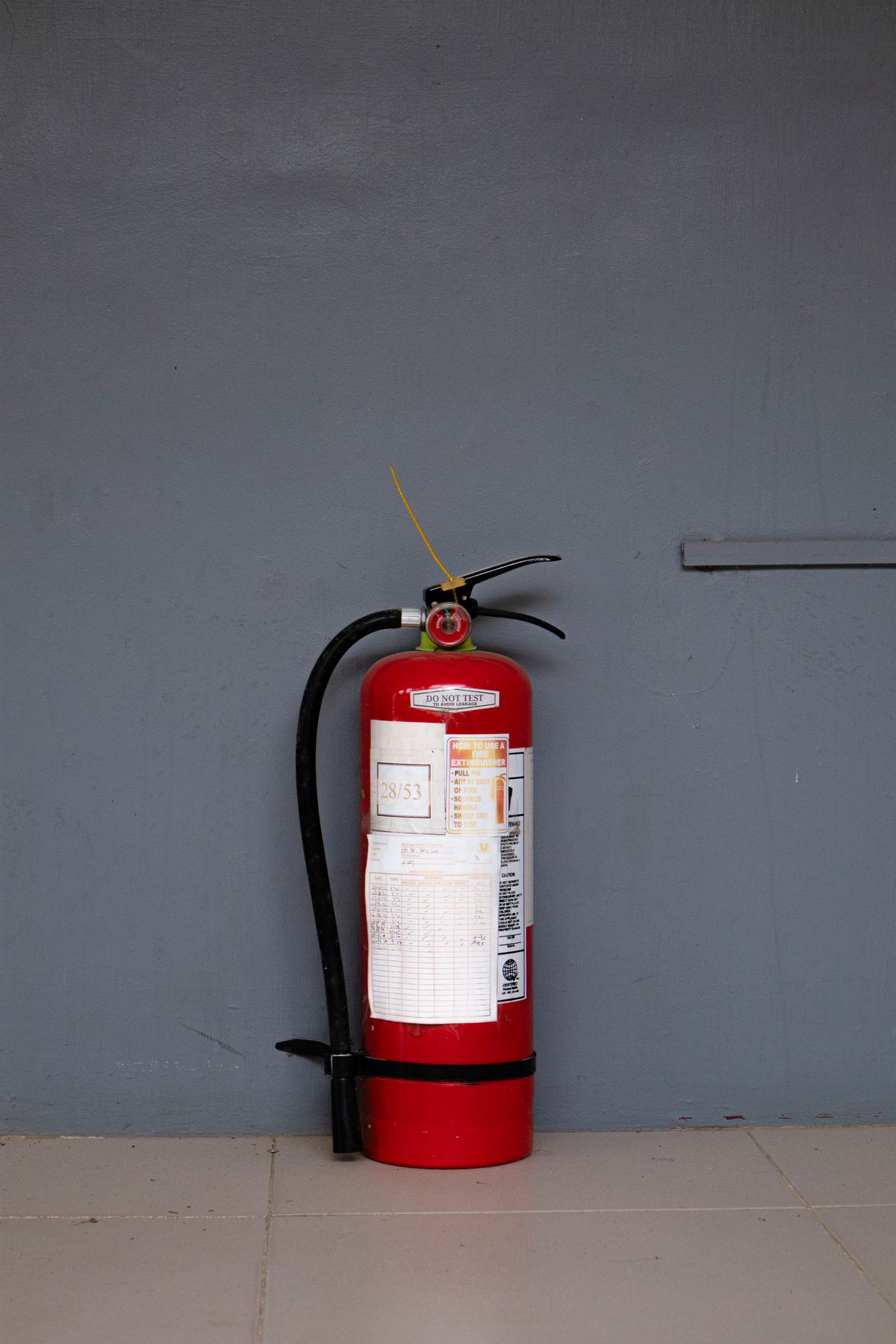
Early detection, a clear alarm procedure and prompt communication with the relevant emergency service are important elements of a fire response. Staff should know how to raise the alarm, where the property's emergency equipment is located and how to follow the approved response plan. Only personnel who are trained and able to act safely should attempt to use firefighting equipment; evacuation and personal safety must take priority.

2. Coordination with neighbouring properties
Where buildings are close together, it can be useful for neighbouring properties to understand one another's emergency arrangements. Subject to privacy, safety and local requirements, managers may agree practical ways to communicate during an incident, identify access routes and make relevant site information available to emergency responders. Good housekeeping around buildings can also help keep access routes clear.
3. Roofing, landscaping and outdoor areas
Traditional makuti roofing is an important part of Zanzibar's architectural character. As with any roofing material, its characteristics should be considered in a site-specific fire risk assessment. Managers can review the positioning and supervision of cooking areas, barbecues, candles, generators and other potential heat sources. Where appropriate, qualified specialists can advise on suitable fire-retardant treatments, inspection arrangements and additional protective systems. Any treatment or system should be selected, installed and maintained in accordance with professional advice and applicable requirements.

4. Electrical safety and routine maintenance
Electrical installations and equipment should be inspected and maintained by appropriately qualified professionals. A maintenance programme may include checking distribution boards, sockets, cables, protective devices, generators and kitchen equipment. Any concerns should be recorded and addressed through the property's maintenance procedures, taking account of relevant standards and advice from qualified specialists.
5. Staff awareness and practiced procedures
Staff awareness supports an effective emergency response. Induction and refresher training can cover alarm procedures, evacuation routes, assembly points, guest assistance, reporting arrangements and the safe use of equipment. Managers can schedule exercises appropriate to the property, including night-shift scenarios, and use the learning to review and improve their plans.
Core elements of a property fire-safety programme
Regular, site-specific risk assessments
A documented fire risk assessment can help identify relevant hazards, people who may need assistance, existing control measures and any further action to consider. Reviews may be appropriate periodically and whenever there are material changes to the building, layout, equipment or operations, or following an incident. The assessment should be proportionate to the property's size, design and activities and should take account of applicable local requirements.
Detection and suppression equipment
Suitable alarms, smoke detection, extinguishers, fire blankets and fixed suppression systems may form part of a property's arrangements, depending on its risk profile. Kitchen systems, sprinklers and other fixed systems should be assessed, specified and installed by competent professionals. Equipment should be maintained and tested in line with the manufacturer's instructions, professional guidance and applicable requirements.
Additional protection for makuti roofs
For some properties, a specialist may consider whether a roof-wetting or drencher arrangement is appropriate. Design decisions should account for the roof structure, water supply, pump capacity, power resilience, drainage, maintenance and interaction with other fire-protection measures. A swimming pool should not be assumed to be a suitable supply without a competent technical assessment. Such systems are not a substitute for detection, evacuation planning, appropriate separation, maintenance or advice from the relevant authorities.
Trained fire wardens and first-aid provision
Properties can identify staff with appropriate responsibilities on each shift, including overnight. Their roles, training and availability should reflect the size and operating arrangements of the property. Staff should know who is responsible for coordinating evacuation and how to assist guests who may need additional support, without putting themselves at risk.
A clear emergency and evacuation plan
A written plan can explain how an alarm is raised, how emergency services are contacted, the routes guests and staff should use, where people assemble and how the property accounts for those present. It should consider different scenarios, including reduced visibility, loss of power, blocked routes and guests who may require assistance. Contact details and procedures should be reviewed periodically.
Exercises and continuous improvement
Evacuation exercises and discussion-based scenarios can help staff become familiar with their roles. Exercises should be planned safely and in a way that is appropriate for guests and operations. After each exercise, managers can record observations, identify practical improvements and assign follow-up actions.
Crisis management and business continuity
Planning can also cover the period after an incident. A crisis-management plan may identify decision-makers, communication responsibilities, stakeholder contacts and arrangements for supporting guests and employees. A business continuity plan can consider alternative accommodation, customer communications, bookings, payments, records, insurance and the steps needed to resume operations. These plans should be proportionate and reviewed as the business changes.
Practical review checklist
- Review the property's fire risk assessment and record any actions arising.
- Check that alarm and emergency contact procedures are clear to staff.
- Ensure access routes, exits and assembly points are identified and kept clear.
- Arrange electrical and equipment maintenance through qualified professionals.
- Review cooking areas, generators, outdoor heat sources and roofing considerations.
- Check that firefighting equipment is suitable, accessible and maintained.
- Provide staff induction and refresher training appropriate to their roles.
- Practice evacuation arrangements, including scenarios relevant to night operations.
- Review arrangements for guests or employees who may need additional assistance.
- Keep emergency, crisis-management and business-continuity plans up to date.
- Where appropriate, engage with relevant authorities and qualified local advisers about current requirements and site-specific arrangements.
For additional practical support, see our Zanzibar hotel fire safety checklist (also available in Kiswahili) and the hotel fire evacuation plan template.
A shared commitment to preparedness
Fire safety is supported by cooperation between hospitality businesses, employees, guests, emergency services, relevant authorities and professional advisers. Sharing practical knowledge, maintaining appropriate systems and reviewing emergency arrangements can contribute to safer properties and a resilient tourism environment.
RIS Salama shares this guide as general professional information to support awareness and encourage constructive discussion. Each property should obtain advice suited to its own circumstances and confirm current requirements with the relevant authorities and qualified local professionals.
Kwa Kiswahili: muhtasari
Usalama dhidi ya moto na maandalizi ya dharura ni sehemu muhimu ya usimamizi wa hoteli na biashara za utalii. Kila jengo lina muundo na mahitaji yake; hivyo tathmini ya hatari inapaswa kuzingatia mazingira ya eneo husika. Mambo ya kuzingatia ni pamoja na mifumo ya kugundua moto na kutoa tahadhari, vifaa vinavyofaa vya kuzima moto, ukaguzi wa mifumo ya umeme, usalama wa maeneo ya kupikia na paa za makuti, mafunzo kwa wafanyakazi, njia za uokoaji na mipango ya kuendeleza shughuli za biashara baada ya tukio. Wamiliki na wasimamizi wanashauriwa kupata ushauri wa wataalamu wenye sifa na kuthibitisha mahitaji ya sasa kwa mamlaka husika. Mwongozo huu ni kwa ajili ya kuongeza uelewa na kuhimiza ushirikiano katika kuboresha maandalizi na usalama wa sekta ya utalii. Soma orodha ya ukaguzi kwa Kiswahili.
Frequently asked questions
What should a hotel include in its fire-safety arrangements?
Arrangements are property-specific but may include a suitable risk assessment, detection and alarm systems, appropriate firefighting equipment, staff training, evacuation procedures, maintenance and business continuity planning.
How should a hotel assess fire risks associated with makuti roofing?
The roof and surrounding activities should be considered as part of a site-specific assessment. A qualified fire-safety professional can advise on suitable prevention, protection and maintenance measures for the property.
Where can a hotel confirm current emergency procedures and requirements?
Hotels should confirm current contact details, procedures and applicable requirements with the relevant local authorities and qualified local advisers. Emergency contact information should be checked periodically and communicated clearly to staff.
Review your property's risk profile
Use the free RIS Salama security check to begin reviewing your organisation's risk profile and identify areas for further consideration, in English or Kiswahili.
Your next step
Choose what suits you. All three are free.
Questions? Message us on WhatsApp · More guides · East Africa risk map
This guide is general information and is not legal, engineering or fire-safety certification advice. It does not replace a site-specific assessment or instructions from the relevant authorities. Requirements and emergency contact details may change; confirm the current position locally.
All guides · Free checklists · Kenya · Tanzania · Zanzibar · RIS Salama home
Published by RIS Consultancy Services Limited, registered in England and Wales, company number 15532549.
See also: East Africa travel risk map (UK FCDO and US advice by region).
Using a pump for sprinklers, hose reels or a roof drencher? Read our plain-English guide to NFPA 20 fire pumps.